
Hall County · Georgia
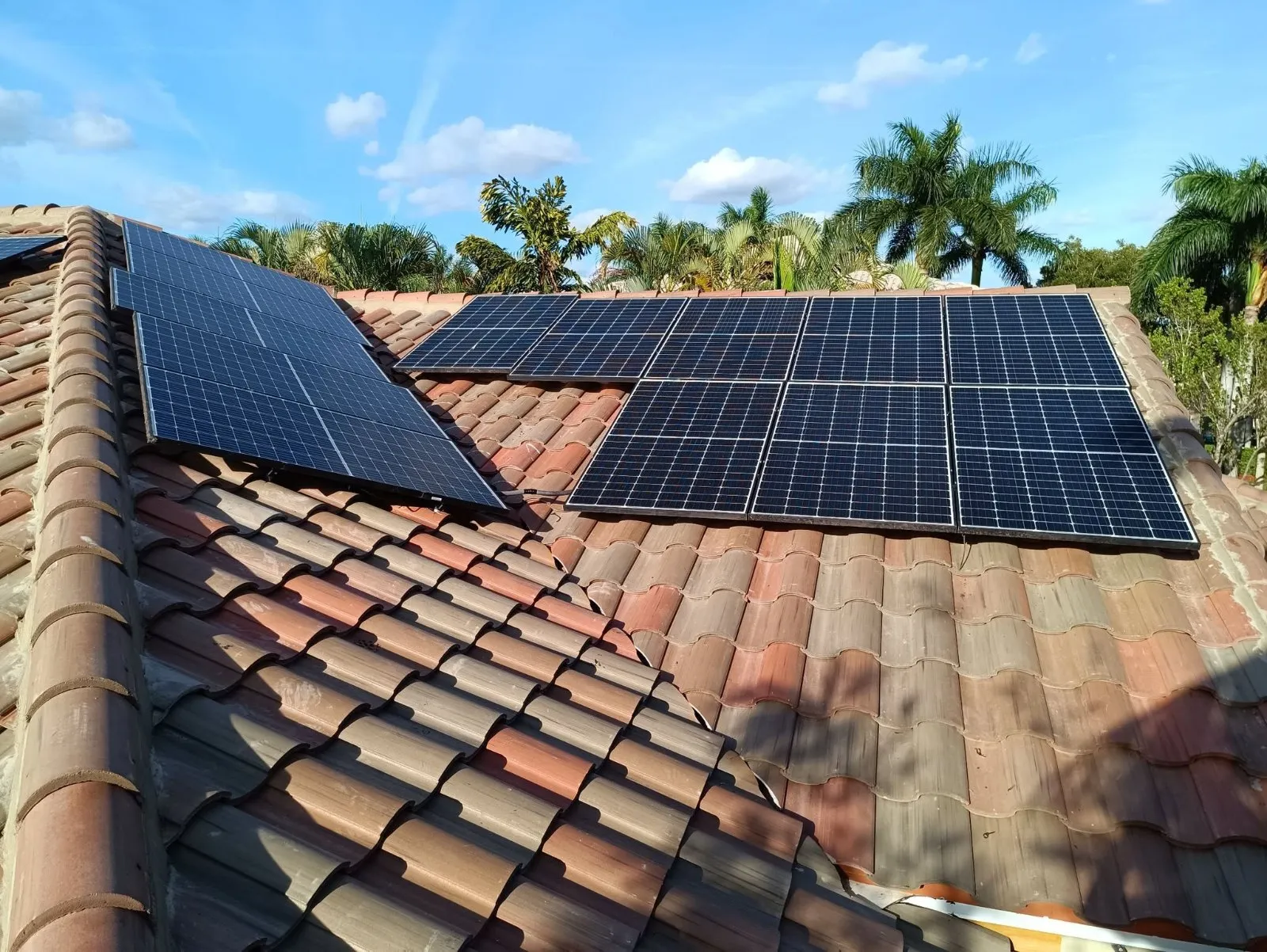
Solar panel removal, reinstall & repair in Gainesville, GA
Gainesville rebuilt its downtown after the April 1936 tornadoes, and the neighborhoods around it hold houses from nearly every decade since the 1880s. Green Street's Victorian and Neoclassical homes, the mill houses of New Holland and postwar brick ranches each take panels in a different way.
✓Any roofer. Any installer. Any brand.
✓Written quote before a panel moves
✓Call or text for a straight answer
✓Licensed and insured in Florida
How we cover it
A Florida crew, and a straight answer for Gainesville
Art of Solar is a Florida solar company, so there is no van around the corner in Gainesville. Call or text the address, the panel count and what is going on, and you get a straight answer: what the job needs, roughly what it costs, and whether we can take it on or who should.
On the ground in Gainesville
Permits, power and roofs in Gainesville
The City of Gainesville runs its own building inspection division, and by agreement it also handles permits and inspections for neighboring Oakwood. Georgia Power serves most of the city and keeps its own interconnection paperwork for a system going back into service. The 1936 storms, two tornadoes that killed more than 200 people, flattened much of the business district and nearly a hundred homes in the New Holland mill village, so a good deal of what stands near downtown was built in the rebuilding that followed. Green Street's houses are older still, from about 1880 into the early 1900s, with steep roofs and board decking. Postwar ranches and newer homes toward Lake Lanier fill out the rest of the city. Big oaks and pines over these lots shade arrays and drop limbs in ice storms.
On Green Street and the blocks around Brenau University, owners of older homes find that panels on a front-facing roof draw attention, and the roof underneath is often near the end of its life. In New Holland and along the streets near the old Pacolet mill, small roofs and close neighbors limit the layout. Newer homes near the lake bring tree shade and systems from installers that have since closed.
Local details
Gainesville at a glance
- Power company
- Georgia Power for most addresses inside the city
- County
- Hall County
- Region
- North Georgia Mountains
Before you book
Worth reading first
FAQ
Gainesville: questions homeowners ask
Can you take solar panels off for a new roof in Gainesville?
Often, yes, when it is planned. Art of Solar is a Florida solar company, so Georgia work is booked ahead and grouped with other jobs in North Georgia Mountains, and it only goes ahead with the Georgia license the work needs. Send the address, the panel count and the roofer's tear-off date for a straight answer.
Who is allowed to work on solar panels in Georgia?
Georgia treats the wiring side of solar as electrical contracting, so taking an array off, fixing it or putting it back belongs with a contractor licensed by the Division of Electrical Contractors of the State Construction Industry Licensing Board. There is no separate solar license, and cities and counties can add their own permit and business license rules.
Who reconnects the system in Gainesville?
Homes in Gainesville are generally served by Georgia Power for most addresses inside the city. When an array goes back on after a roof job the utility usually needs to know, and the building department normally inspects the reinstall before the system is switched back on.
My installer went out of business. Can the system still be fixed?
Usually. The installer's own workmanship warranty is gone, but the panels, inverter and optimizers carry manufacturer warranties that normally still apply, and a dead system is often one failed part rather than a worn-out array.
Also in North Georgia Mountains
More pages near Gainesville
Get a quote
Get a written quote in Gainesville
The address, roughly how many panels, who installed them if you know, and what is happening. A photo of the array from the street and one of the inverter get you an accurate number fastest, and texting them is the quickest way to send them.
Solar help in Gainesville
Any brand, any roofer, any original installer. Written quote before a panel moves.